The Automation Arms Race: Reclaiming Sovereignty in a Multi-Front Trade War
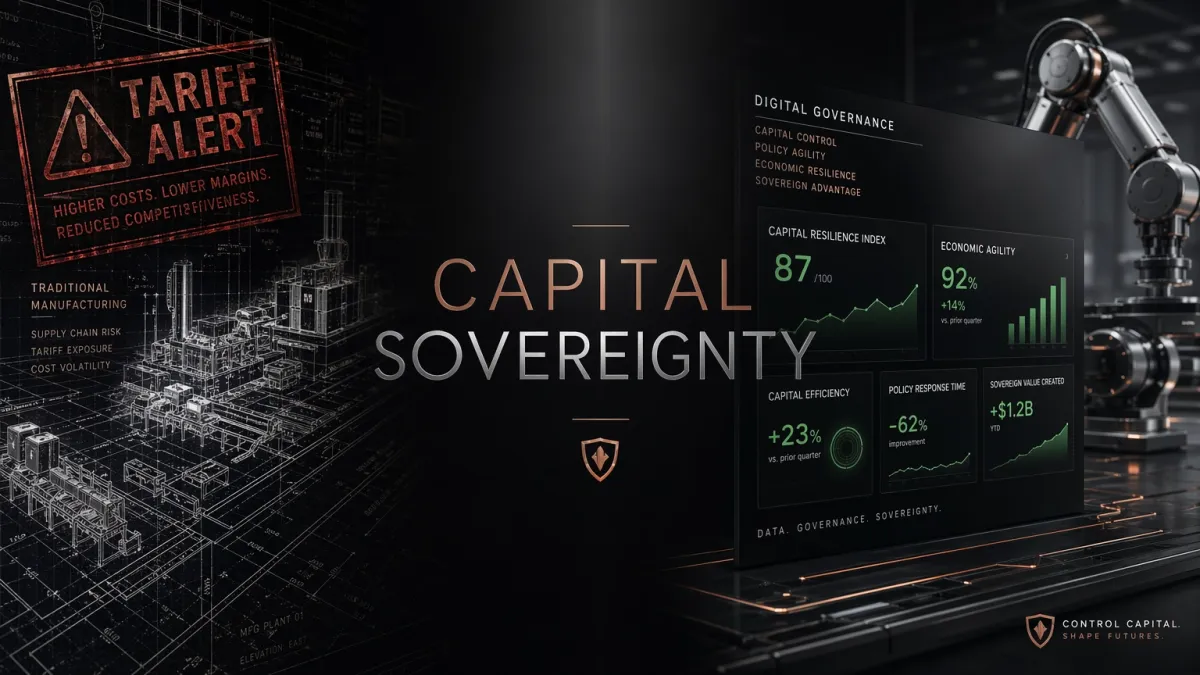
The North American industrial corridor has transitioned into a "Sovereignty & Discipline" phase. As of April 24, 2026, the initial fervor surrounding the year’s technological expansion has been replaced by a clinical reality: AI is expensive, trade is increasingly local, and margins are under sustained fire from both regulatory shifts and geopolitical volatility. While the recent Hannover Messe trade fair [Canada] saw a $63 million injection into 14 high-profile NGen projects [1.1], the broader market is grappling with a widening Modernization Gap. For the mid-market manufacturer, the question is no longer whether to automate, but how to fund that transition as the "Economic Blast Radius" of new Section 232 tariffs [US] begins to impact machinery and critical mineral supply chains [6.1].
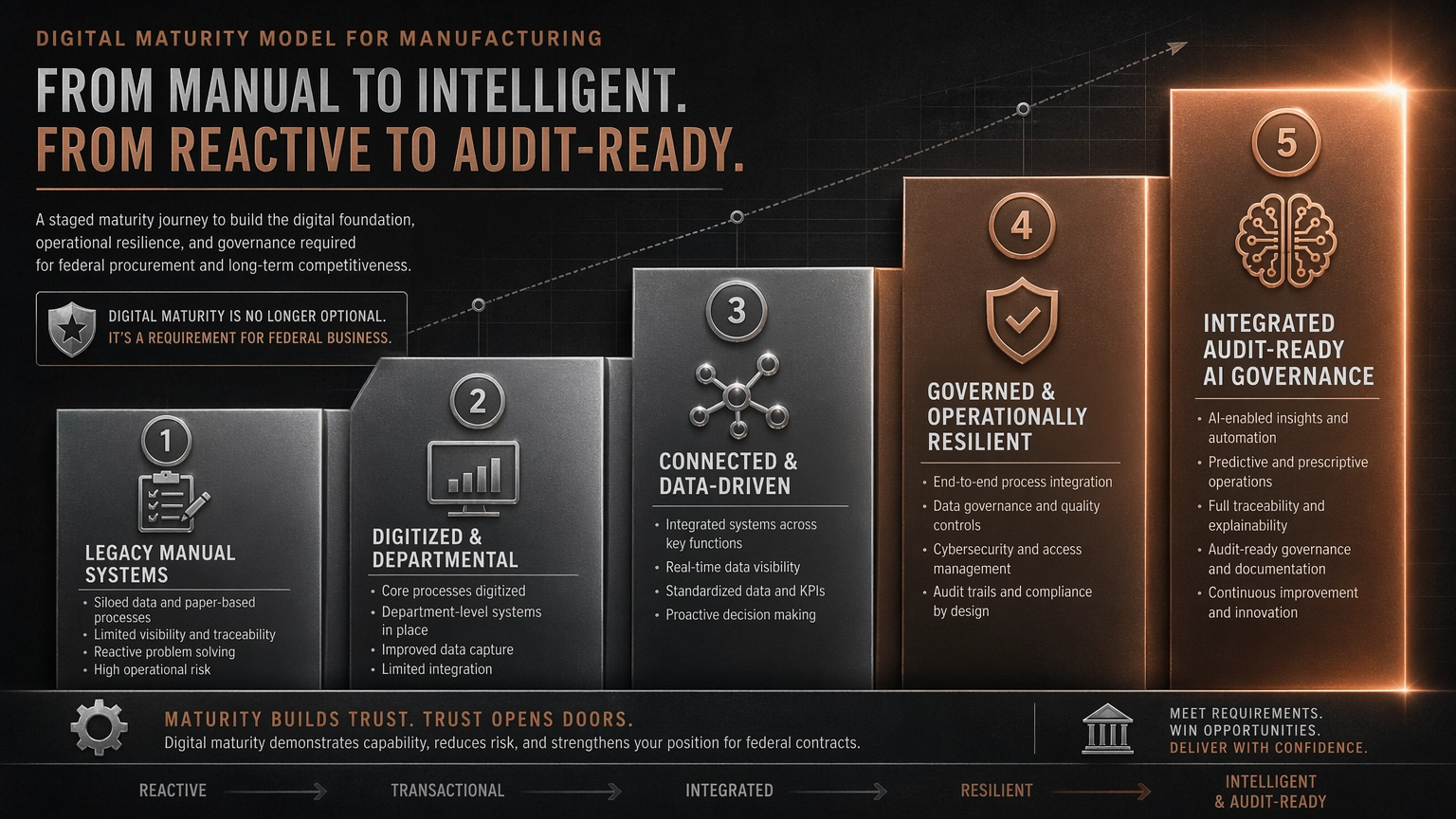
The disparity between market leaders and followers is becoming institutionalized through federal procurement and funding thresholds. In Northern Ontario and similar rural hubs [Canada], the National Defence Purchasing Strategy’s mandate for 70% domestic preference has created a significant hurdle: "Digital Maturity" [5.1]. SMEs are ready to produce, but many lack the audited digital infrastructure required to pass federal procurement hurdles. This is a classic case of Modernization Deferral acting as a direct barrier to revenue. If your organization is not one of the few receiving federal checks, you are effectively falling behind in an Automation Arms Race where the entry fee is a level of digital governance that most legacy systems cannot support.
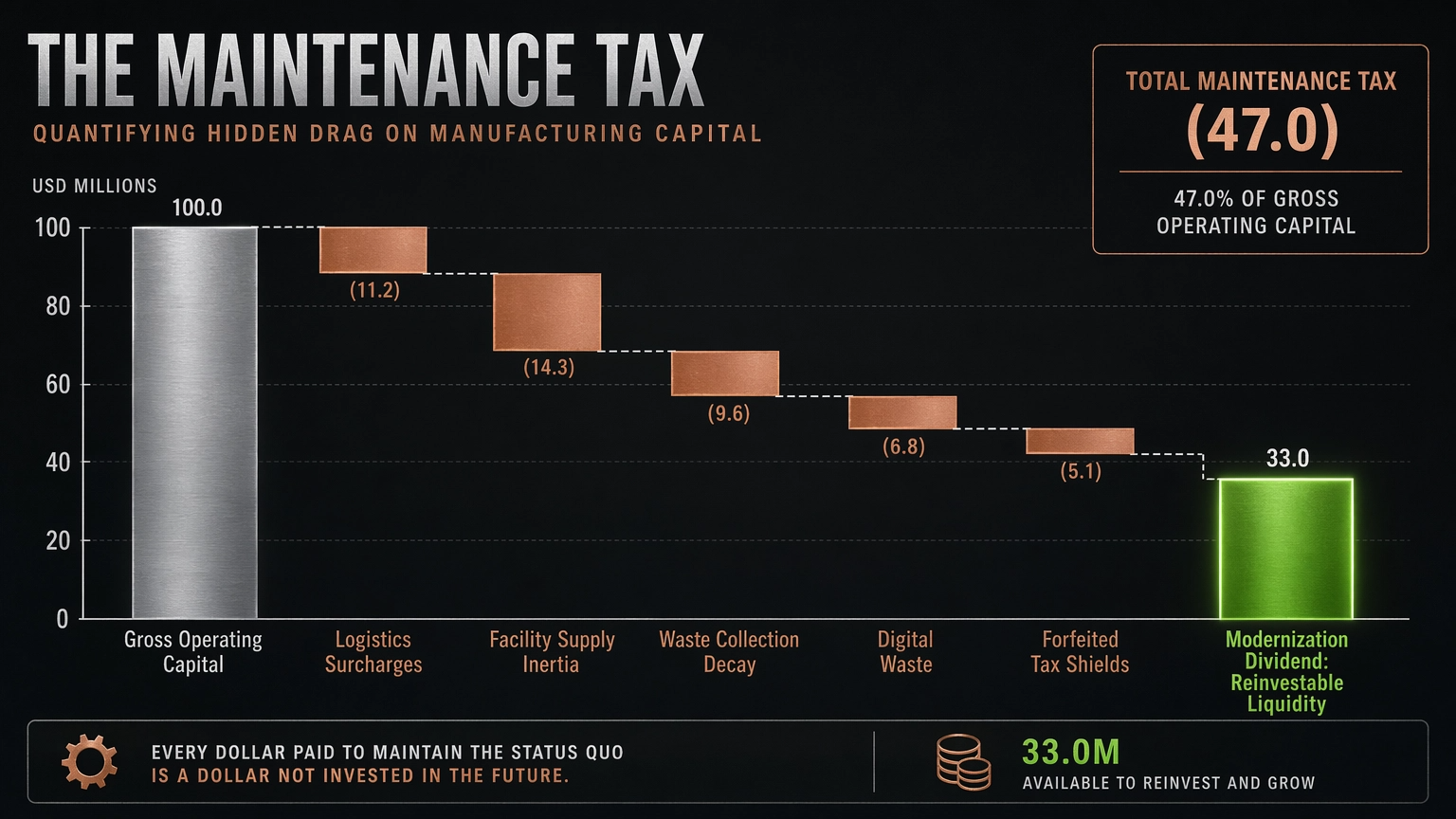
The financial architecture of this transition is further exemplified by the "$75M Size Trap" inherent in the now-passed Bill C-15 [Canada ] [6.1]. As manufacturers grow, the 35% refundable SR&ED credit begins to phase out at $15 million in taxable capital, vanishing entirely at $75 million. Many mid-market firms are inadvertently growing into this trap, seeing their R&D refunds slashed just as the requirement for Agentic AI moves from "pilot to platform" [North American Trend] [5.1]. This fiscal cliff is compounded by unmonitored "Surcharge Stickiness" in logistics and facility services. In the wake of recent trade remarks, vendor surcharges on uniforms, waste collection, and freight have reached a three-year high, effectively functioning as an unrecorded Maintenance Tax that siphons off the very capital needed for modernization.
The stakes are further heightened by the escalating CUSMA "National Trade Estimate" friction. With the U.S. Trade Representative [US] listing Digital Services Taxes and Dairy TRQs as primary barriers, these issues have become the "bargaining chips" for the July 1 review [3.2]. The risk of targeted retaliatory tariffs on Canadian manufactured goods by Q4 is an objective probability. CFOs cannot afford to wait for political resolution; they must build a "Tariff Contingency Fund" immediately to offset the "Blast Radius" of Section 232 trade remarks currently being traded between D.C. and Ottawa.
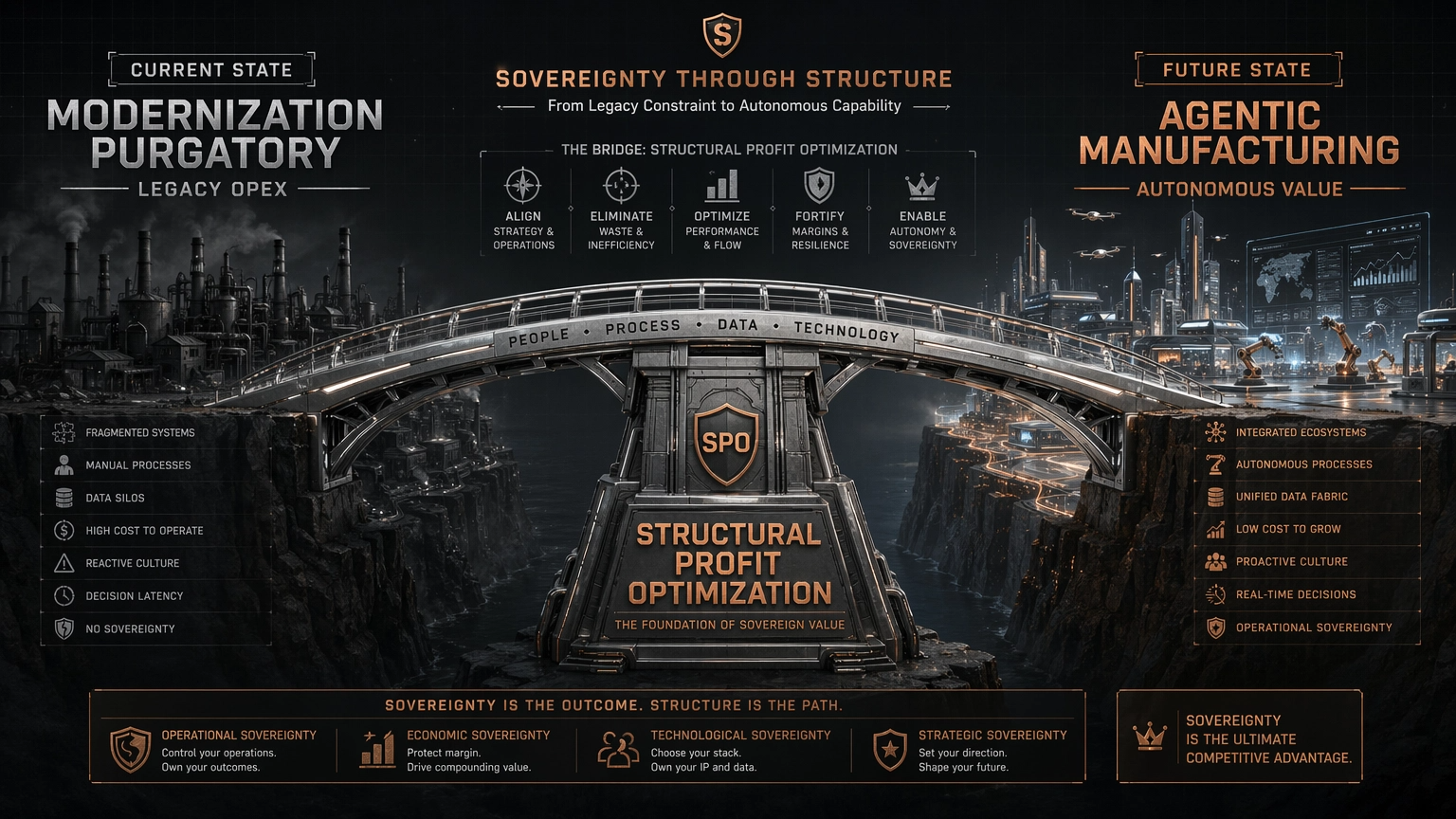
The conclusion to be drawn from these disparate signals is clear: Dependence on external subsidies or favorable trade winds is a failing strategy. The North American industrial market has reached a maturity level where "Domestic Sovereignty" is the only sustainable defense against a multi-front trade war. The firms currently securing contracts are not necessarily the most innovative, but the most disciplined; they possess the digital maturity to pass audits and the capital agility to pivot their supply chains before tariffs manifest as line-item expenses. To bridge this gap, leadership must shift from a "wait-and-see" grant posture to a "capture-and-fund" operational posture.
True Structural Profit Optimization (SPO) provides the mechanism to insulate the P&L from this blast radius. By capturing the 4% revenue leakage found across all 15+ operational categories—from uniform rental contracts to infrastructure decay—firms can liberate the $2M–$5M in capital needed to self-fund their own "NGen-style" projects. In a corridor defined by sharpening trade remarks and escalating automation requirements, sovereignty belongs to those who treat Forensic Governance as their primary competitive advantage.
[1.1] NGen/Hannover Messe Announcement: April 20, 2026. Unveiling of $62.7M in federal funding for 14 advanced manufacturing projects.
[3.2] USTR National Trade Estimate: April 2026 report detailing escalating friction over Digital Services Taxes and Dairy TRQs.
[4.1] PwC & CFO Dive: April 20, 2026 study on AI ROI delays and infrastructure waste identification.
[5.1] National Defence Purchasing Strategy: April 23, 2026 report on the Northern Ontario defense pivot and domestic preference mandates.
[5.1] Deloitte 2026 Outlook: Analysis of the shift toward Agentic AI and the doubling of physical AI adoption.
[6.1] Section 232 Analysis: BNN Bloomberg report on the expanding economic impact of machinery and mineral tariffs.
[6.1] Bill C-15 Legislative Review: Analysis of the SR&ED phase-out thresholds for corporate groups hitting the $15M-$75M capital ceiling.
[7.1] ISED Canada: Official briefing on the "Commercially Viable" domestic project push ahead of CUSMA review.
